
Published March 29, 2026
Why Commercial Property Buyers Focus on Location


A strong building can still struggle in the wrong place. That is where many deals go wrong. Buyers often see a good price and modern space first. Yet the real test comes from the area around it. For commercial property buyers, location shapes how a property performs each day. It affects who visits and how often people return. It also guides how fast the space gets attention and use.
Now let’s see how smart buyers think before they invest. Location in commercial real estate plays a direct role in long-term results. Buyers check nearby demand and local patterns before anything else. They study roads and nearby growth plans in detail. A solid commercial property location helps buyers spot hidden value while supporting stable commercial real estate investment and protecting overall commercial property value over time.
Why Location Matters So Much in Commercial Real Estate

Buyers often study the area before they review the building itself. A strong commercial property location supports steady use and better income flow over time. It also attracts more tenants who want active and visible spaces. You might notice busy zones stay filled while quiet ones struggle to gain interest.
In location in commercial real estate, the location shapes both risk and return. Good surroundings support stable commercial real estate investment and future growth. Poor areas can limit progress even when the property looks strong. That is why buyers connect location with long-term results. In simple terms, the right place helps protect and grow commercial property value.
How Visibility and Accessibility Shape Commercial Success

A property that people can easily see gains more attention each day. High visibility builds strong awareness and helps businesses stay active. Areas with steady foot traffic support regular visits and better engagement. You might notice hidden spots struggle even with a good setup and design.
Accessibility and visibility also shape how simple it feels to reach a place. Easy road entry and clear parking improve daily use for customers. Nearby public transport supports both retail and office demand. These factors raise tenant demand in a strong commercial property location. Better access often shows why residential realtor matters in guiding smarter decisions over time.
Why Foot Traffic and Customer Flow Matter for Buyers
Retail spaces depend on steady foot traffic to stay active each day. Busy areas bring more people and increase walk-in visits. You might notice stores in active zones perform better over time. This flow helps buyers judge how a space may perform in real use.
Customer flow also shows how strong future demand may be. Buyers study traffic patterns to predict interest and leasing potential. A strong commercial property location with steady activity often supports better pricing power. It can also attract more tenants who want visible and active spaces. Over time, this helps improve commercial property value in high-growth locations and can help investors sell home without stress later on.
How Demographics Influence Commercial Property Demand

Local demographics guide how a space will be used each day. Areas with higher populations often show steady activity and demand. You might notice that busy zones support more business types. This pattern helps buyers judge if a commercial property location fits their real needs.
Income levels also affect what businesses can succeed in that area. Higher-income areas support premium services and spending. Lower-income areas may need basic services and value options. Lifestyle patterns shape tenant demand and daily use. Smart buyers match property type with these trends to support strong commercial real estate investment outcomes.
Why Surrounding Amenities and Business Clusters Add Value
Nearby services play a strong role in how a property performs. Areas with restaurants and banks feel active and easy to use. Entertainment spots bring more people into the area each day. This steady movement supports tenant demand and keeps spaces occupied. Properties in such areas often attract more interest from both tenants and buyers.
Business clusters also increase the strength of a location. When many successful businesses operate close together, they draw more visitors. This creates strong local market demand and builds trust in the area. Buyers study the full commercial property location before making decisions. Over time, strong surroundings help improve commercial property value.
How Zoning and Future Development Shape Long-Term Value
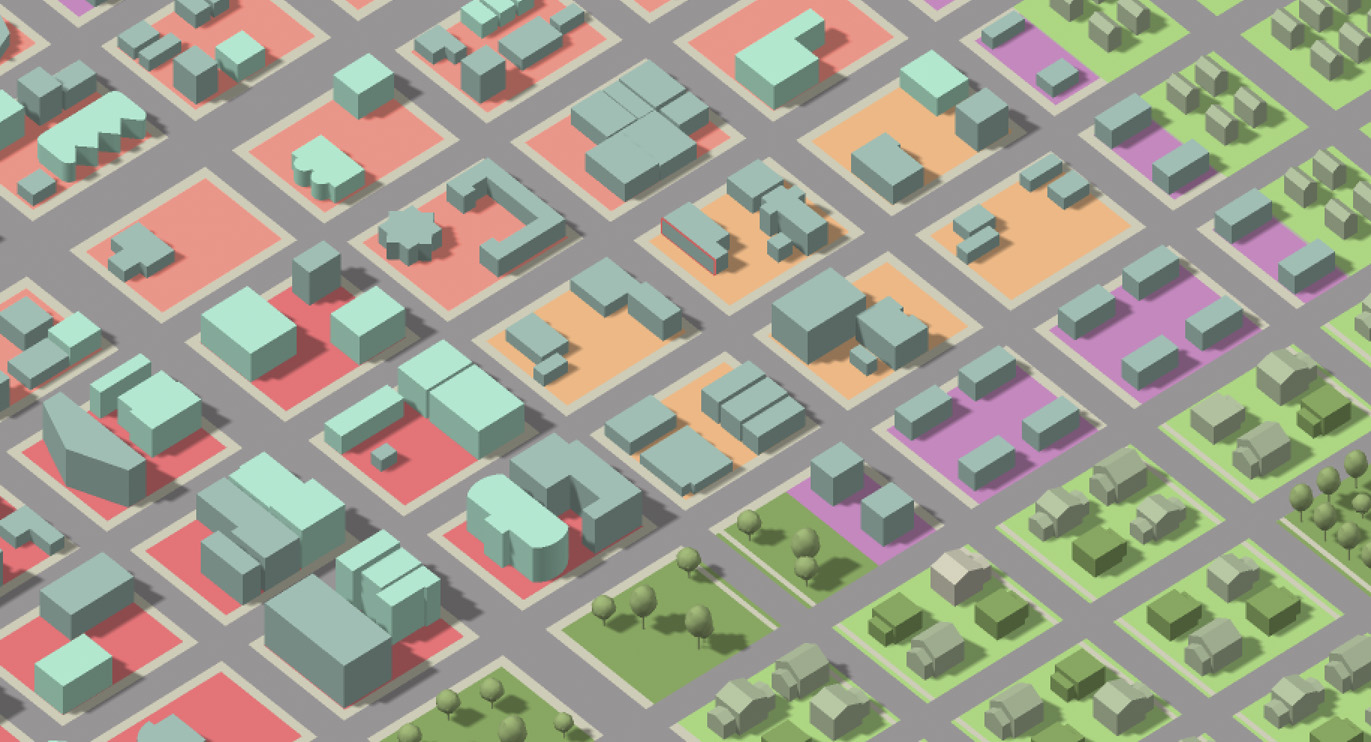
Plans can change how a property performs over time. New roads and transit hubs bring more people into an area. Residential growth adds daily activity and demand for services. These changes increase interest from both tenants and buyers. Areas with strong infrastructure growth often become high-growth locations with rising demand.
Zoning rules decide how a property can be used in the future. Some zones allow more business types or larger projects. This gives owners room to adjust as needs change. Buyers study location in commercial real estate with a long-term view. Properties in areas with future upside often show better commercial property value over time.
Why Safety and Area Reputation Matter

Safety plays a key role in how a property performs each day. Areas that feel secure attract more businesses and steady visitors. Employees and customers prefer places that feel comfortable and active. This increases tenant demand and keeps spaces in use. A strong commercial property location often benefits from this steady flow of trust.
Area reputation also shapes how people view a business. Clean streets and well-kept buildings support a strong image. This helps attract better tenants and stable local market demand. Buyers avoid areas with repeated issues that affect daily operations. Over time, strong surroundings also connect with the best home listing potential by helping protect and grow commercial property value.
Location Helps Attract Better Tenants and Stronger Occupancy

Tenants look for spaces that are easy to reach and easy to find. A strong commercial property location supports daily use and steady visits. Good access and clear exposure make operations simple for both staff and customers. This improves accessibility and visibility and keeps interest high. As a result, tenant demand stays stable across different business types.
Better locations also help reduce vacancy over time. Retail and office users both rely on strong surrounding activity. Active areas support steady business flow and long-term use. Buyers focus on these factors to protect income and avoid gaps. This approach supports reliable commercial real estate investment performance and best home selling outcomes through stable occupancy.
Why Data-Driven Location Analysis Matters Before Buying
Smart buyers rely on facts before they choose a property. They study trends and track how areas change over time. Data shows where people move and where business grows. This helps buyers find high-growth locations with real potential. It also keeps decisions clear and based on real patterns.
Comparing areas helps buyers see which locations perform better. They review local demographics and business activity in each zone. This removes guesswork and avoids emotional choices. A strong commercial property location should show clear signs of demand. Using data helps reduce risk and supports better commercial real estate investment outcomes.
Common Mistakes Buyers Make When Ignoring Location
Many buyers focus too much on the building and forget the area. This can lead to weak results over time. A strong deal depends on more than price and design. The right commercial property location supports long-term use and demand. Ignoring this can affect commercial property value and overall commercial real estate investment performance.
1. Paying more for the building while ignoring the surrounding area
2. Choosing a low price over access demand and future growth
3. Skipping research on location in commercial real estate trends
4. Ignoring zoning rules and future development plans
5. Assuming current traffic and demand will always stay the same
Conclusion
Location shapes how a property performs over time. It affects income, demand, and long-term growth. Strong areas support steady activity and stable use. This helps attract better tenants and consistent customer flow. For commercial property buyers, the right commercial property location reduces risk and supports stronger commercial real estate investment outcomes.
A well-chosen location also protects commercial property value during market shifts. It offers both stability and future upside. Buyers who focus on location make more balanced decisions. They avoid weak areas and secure long-term gains. If you plan to invest soon, take time to study the location first and choose with clear insight from Hausgrp.
FAQs
Why is location important in commercial real estate?
Location shapes how a property performs each day. It affects access, demand, and future growth. A strong commercial property location supports steady use and reduces risk for commercial property buyers over time.
How does location affect commercial property value?
Location drives demand and long-term results. Areas with steady activity often hold higher prices. Strong surroundings support growth and help protect commercial property value through changing market conditions.
What makes a commercial location attractive to tenants?
Tenants look for easy access and strong visibility. Nearby services and active streets support daily business needs. These factors increase tenant demand and help spaces stay occupied longer.
How do demographics affect commercial investment decisions?
Local demographics show how people live and spend in an area. This helps buyers match property type with demand. It supports better decisions in location in commercial real estate.
Why do buyers care about accessibility and visibility?
Easy access helps customers reach a business without trouble. Clear visibility builds awareness and attracts more visitors. Together, they support steady demand and better property use.
Can future infrastructure improve property value?
New roads and transit hubs bring more people and activity. This raises demand over time. Properties in such areas often see better growth and stronger long-term value.
Does safety really affect commercial demand?
Safe areas attract more businesses and daily visitors. Clean and active surroundings support trust and steady use. This helps maintain strong tenant demand and stable property performance.

Austin Long
| Austin Long | Keller Williams Advisors
or another way