
Published February 14, 2026
How to Find the Best Neighborhood for Your New Home


The area you choose shapes your daily life more than the house. Many buyers focus only on rooms and price. Later, they regret traffic noise, weak schools, or long drives. I have seen families move again within a year. That mistake costs time and money. You need to find the best neighborhood before signing any deal. Smart buyers treat choosing a neighborhood as a serious step.
Careful neighborhood research protects your budget and peace. In this guide, you will learn how to find the best neighborhood with clear steps. We will review safety data and school ratings near you. You will test the commute time during rush hour. We will also check property value trends and growth plans. By the end, you will feel relaxed and confident about your decision.
Tip: Also, check what we offer inside properties, Modern Traditional Touches.
Why Choosing the Right Neighborhood Matters
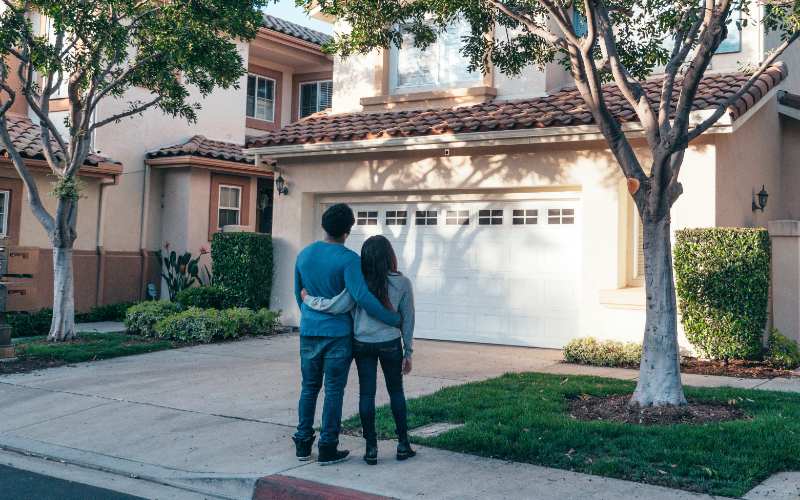
The best neighborhood shapes your life more than paint or design. I have seen buyers regret ignoring the area. A quiet street can change your mood each day. Strong community engagement builds trust among neighbors. That trust creates support during hard times. Good surroundings bring comfort that money alone cannot buy.
Daily Convenience Improves Routine
Close stores and parks boost daily convenience in real ways. Short trips save time and lower stress. Easy access to work helps balance life. You arrive home with more energy.
Safety Protects Your Family
Safe streets protect kids and reduce worry. Low-crime areas build long-term peace. Parents sleep better at night. That peace matters every single day. This is a key step in finding the best neighborhood wisely.
Strong Neighborhood Value Supports Growth
Stable neighborhood value protects your investment. Areas with steady demand hold prices better. Growth supports future resale plans. Smart buyers always track local trends.
Community Engagement Builds Belonging
Active blocks show strong community engagement. Neighbors greet each other often. Local events build simple bonds. That sense of belonging adds lasting joy.
How to Start Your Neighborhood Search
Define Your Lifestyle Goals First
Begin with clear priorities for choosing a neighborhood. This is the first step in How to Find the Best Neighborhood wisely. Ask what kind of life you want daily. Do you prefer quiet streets or active blocks? Think about weekends and evenings. Your lifestyle should guide every next step.
Evaluate Commute Time To Work
Next, review your real commute time to work. Drive the route during peak hours. Notice traffic lights and slow zones. A long drive drains energy fast. Shorter travel supports better work balance.
Consider Schools And Future Needs
If you have kids or plan to, then schools matter. Check ratings and visit nearby campuses. Strong schools often support stable values. Future plans should guide today’s choice.
Start Practical Neighborhood Research
Now begin serious neighborhood research. Walk the streets at different times. Review crime data and price history. Speak with locals if possible. Real checks reveal what listings hide.
Key Factors to Evaluate How to Find the Best Neighborhood
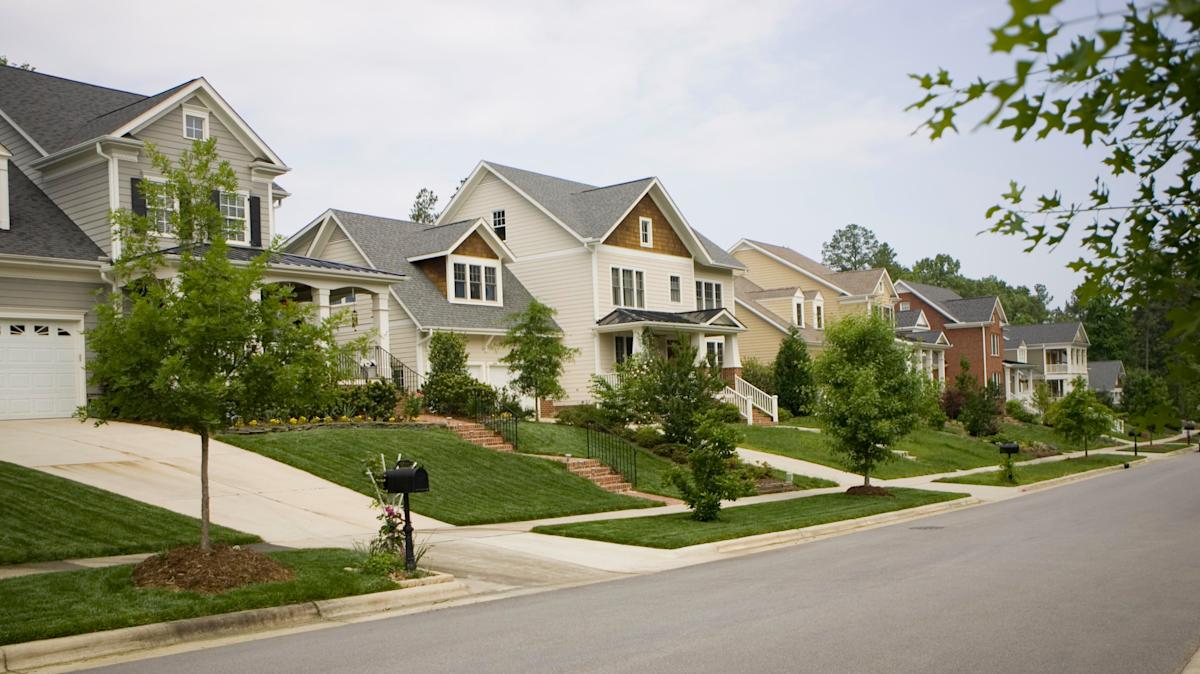
Safety And Crime Rates
Start with real neighborhood safety checks. Review recent crime statistics from trusted sources. Visit the area in the morning and at night. Notice street lights and foot traffic. A safe block feels calm and steady.
Proximity To Work And Commute Time
Short commute time protects your daily energy. Test the drive during peak hours. Review proximity to work before you decide. Check buses, trains, and other accessible transportation. Also, review proximity to amenities near main routes.
School Quality And Family Needs
Strong school quality supports long-term value. Even buyers without kids should review ratings. Speak with parents about programs and support. Look for active sports and arts options. Many family-friendly neighborhoods show stable demand.
Amenities And Community Services
Check proximity to amenities like stores, parks, and clinics. Good walkability saves time and fuel. Easy access to neighborhood services improves daily life. Walk the area to test comfort and safety.
Community Vibe And Engagement
Observe the local community vibe on weekends. Friendly greetings show healthy neighborhood engagement. Look for events or watch groups. Active blocks feel more secure and welcoming. This helps you understand how to find the best neighborhood with real-world insight.
Future Development And Property Trends
Review local plans for future development projects. New roads or malls can shift demand. Study recent property value trends for steady growth. Avoid areas with unstable spikes.
Why choose us: Best Home Value.
Benefits of a Good Neighborhood vs a Poor One
When buyers ask about the benefits of choosing a neighborhood wisely, I show a clear neighborhood comparison. The difference appears in daily life, not just in price.
Safety
A good neighborhood shows lower crime and quiet streets. A poor neighborhood carries a higher crime risk and stress.
Commute
A good neighborhood offers an easy commute and short drives. A poor neighborhood brings long daily travel and traffic strain.
Schools
A good neighborhood has strong schools and steady demand. Poor neighborhood shows weak education options and slower growth.
Amenities
A good neighborhood provides better amenities and nearby stores. The poor neighborhood lacks services and daily access points. This simple comparison helps buyers decide with logic, not emotion.
Mistakes to Avoid When Choosing
Many buyers repeat the same errors during the search. I have seen deals collapse due to simple oversight. These mistakes in choosing neighborhood decisions create stress later. Avoiding common neighborhood pitfalls protects your money and time.
1. Relying Only On Online Listings
Photos hide traffic noise and block activity. Visit the area in person more than once. Walk the streets at different hours. Real life shows what listings hide.
2. Ignoring Future Development Plans
New roads or large projects can shift value fast. Review city updates before closing. Study permits and zoning maps closely.
3. Failing To Talk To Locals
Residents know issues that data cannot show. Ask about noise, parking, and safety. Honest talks reveal hidden patterns.
4. Skipping Commute Testing
Maps show a short distance. Traffic may tell a different story. Drive during peak hours before deciding.
5. Overlooking Property Value Trends
Sharp spikes may not last long. Review steady growth over the years. Stable areas protect buyers better.
Advanced Neighborhood Research Strategies
Smart buyers go deeper than basic checks. I use these steps with serious clients. They help uncover risks and hidden value. Strong research builds long-term confidence. Let us review practical ways to improve your search.
Analyze Local Market Activity
Study recent sales within the same area. Compare days on market and price shifts. Fast sales show strong demand. Slow turnover may signal weak appeal. Review property value trends over several years. Stable growth often means safer entry.
Review Public Records And Permits
Check city records for open permits and code issues. Look for large approved projects nearby. Planned roads or malls can shift traffic patterns. These records reveal the future direction early.
Observe Weekend And Evening Activity
Visit during weekends and late evenings. Notice noise levels and parking pressure. Watch how neighbors interact. Real-time observation shows daily reality.
Evaluate Long-Term Livability
Think beyond today. Ask if the area will suit five years from now. Good planning supports future resale and comfort.
Conclusion
The goal was simple. Help you find the best neighborhood with clear steps. We focused on safety, commuting to schools, and growth. These factors shape daily life more than decor. The aim was to match your lifestyle with long-term plans. A smart choice supports comfort and calm. The best neighborhood for your new home should fit your real habits, not trends.
The main finding is clear. Strong areas show stable property value trends and active communities. Balanced growth protects resale later. Safety and access protect daily peace. These insights guide future buyers with logic, not hype. Use this checklist for every move ahead. Smart research today saves regret tomorrow.
Note: For more info, Connect Hausgrp.
Common Questions People Ask
Many buyers leave simple neighborhood questions in video comments and blog threads. Most want quick answers. I always tell clients that smart research takes time. A careful best neighborhood search protects your budget and future comfort. This mindset supports How to Find the Best Neighborhood the right way.
How Much Should I Research A Neighborhood Before Buying?
Spend real time in the area. Visit during morning and evening hours. Review crime data and price history. Talk with locals when possible. Quick checks often miss key details.
Which Factors Matter Most: Safety Or Amenities?
Safety protects peace of mind first. Amenities support daily comfort. You need both for long-term balance. Choose areas that offer steady value.
How Can I Check Future Development Plans?
Review city sites for zoning updates and projects. Visit planning offices if needed. Track approved permits carefully.
Are Schools Important Even Without Kids?
Strong schools often support value growth. Stable demand helps resale later.
Author Bio
Real Estate Advisor with over 10 years helping buyers find the right areas. I guide clients through market trends and local checks.
Let's Connect.

Austin Long
| Austin Long | Keller Williams Advisors
or another way